Crossing What We Do Not See
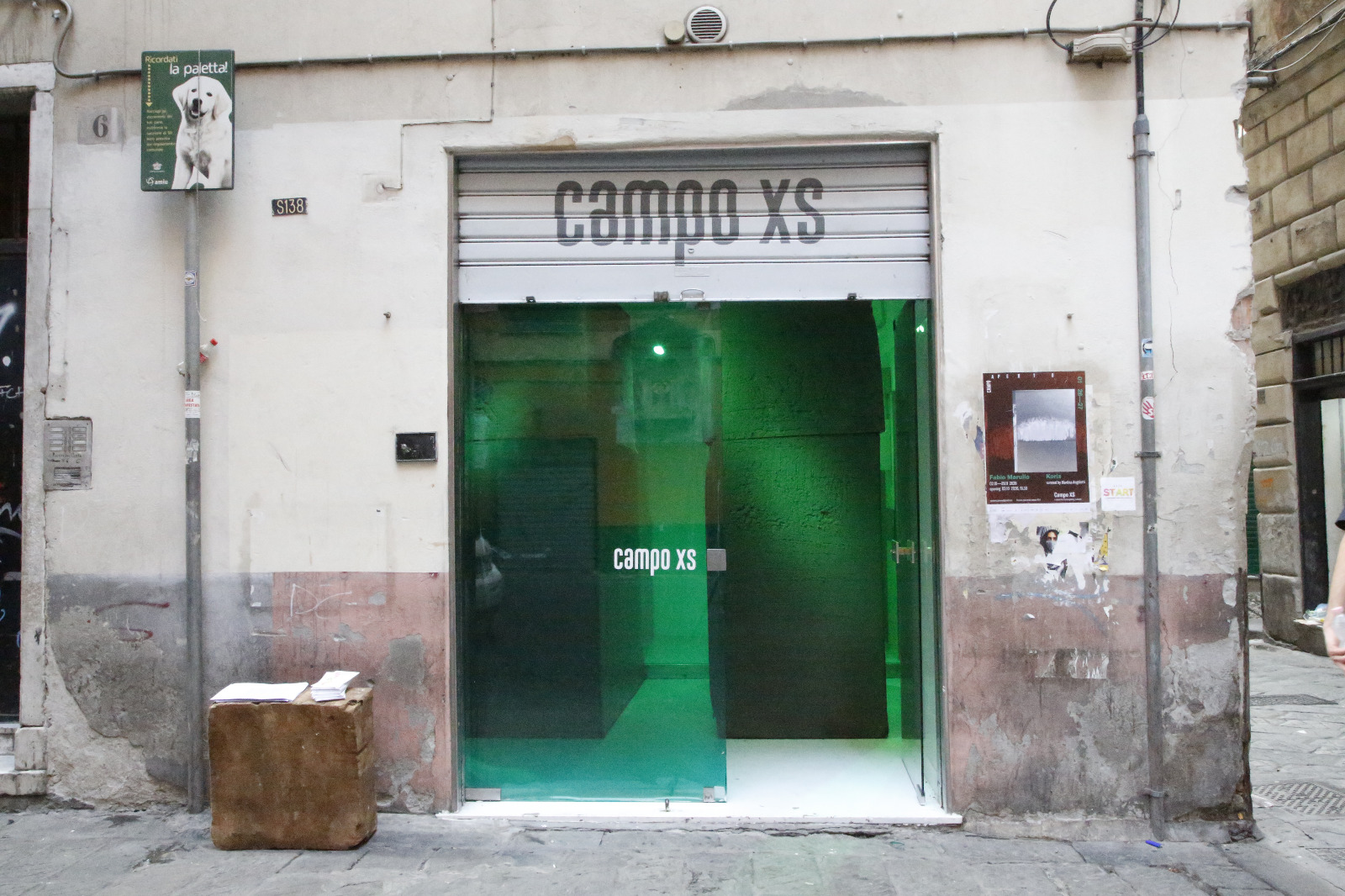
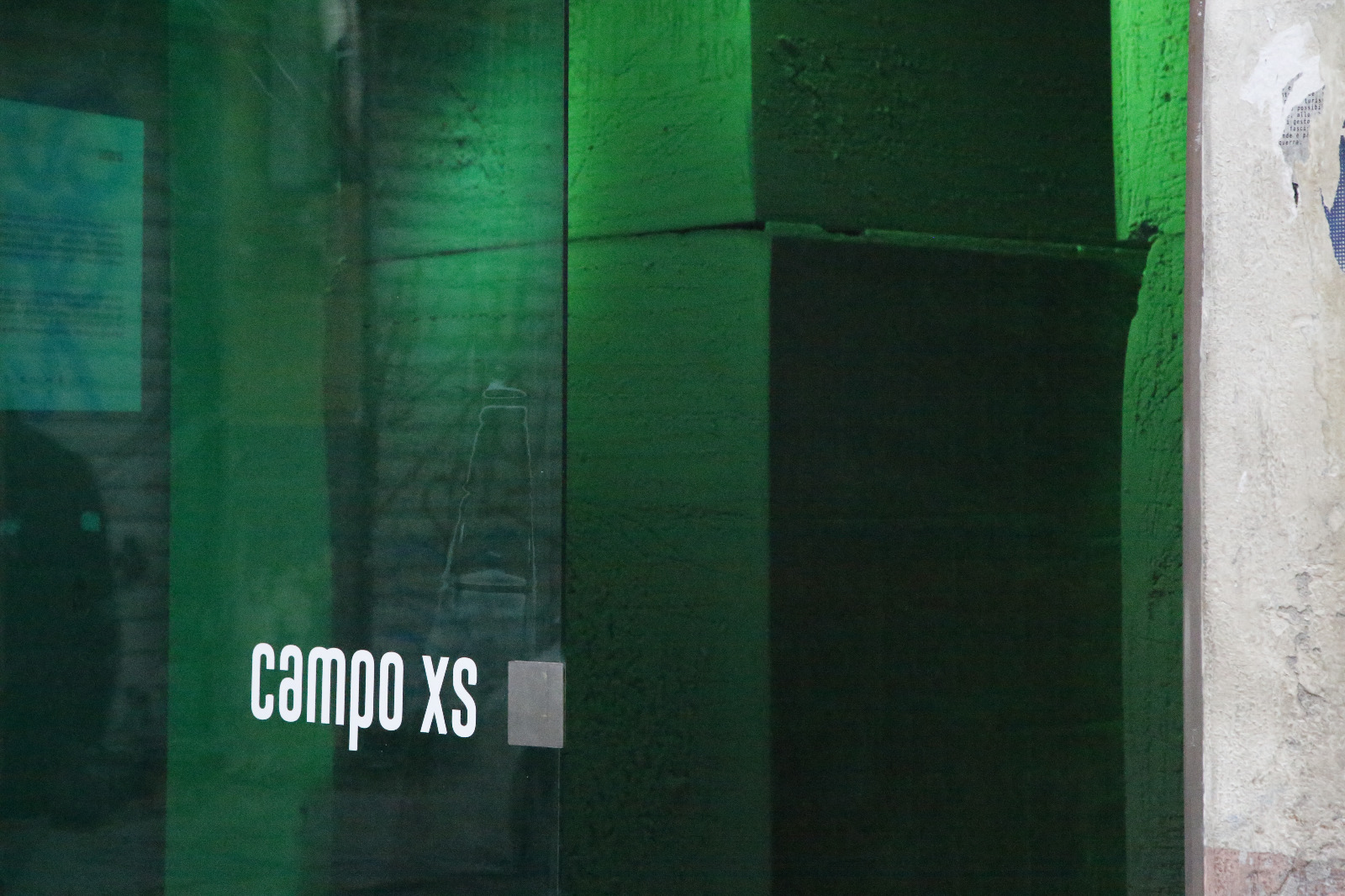
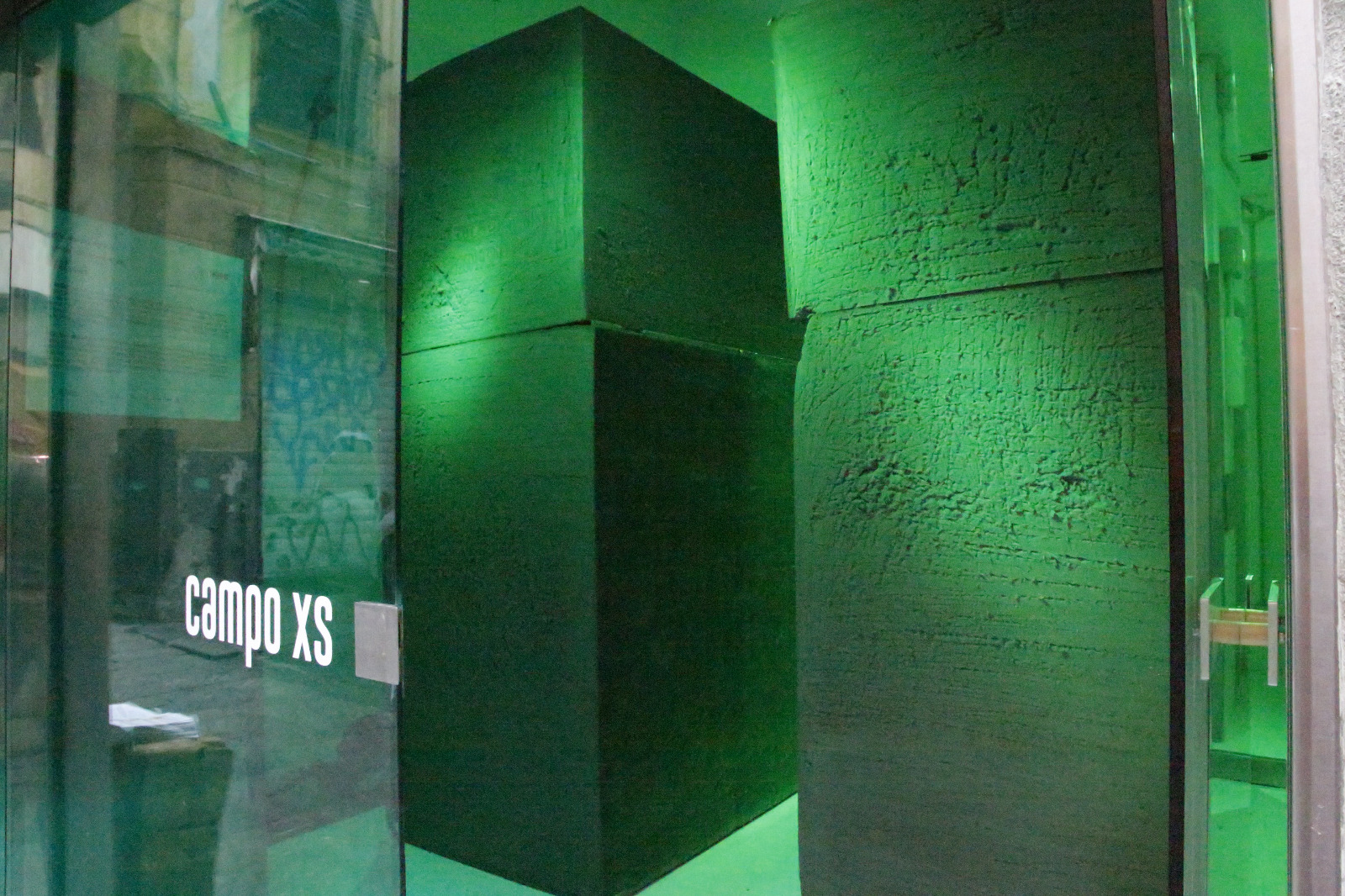
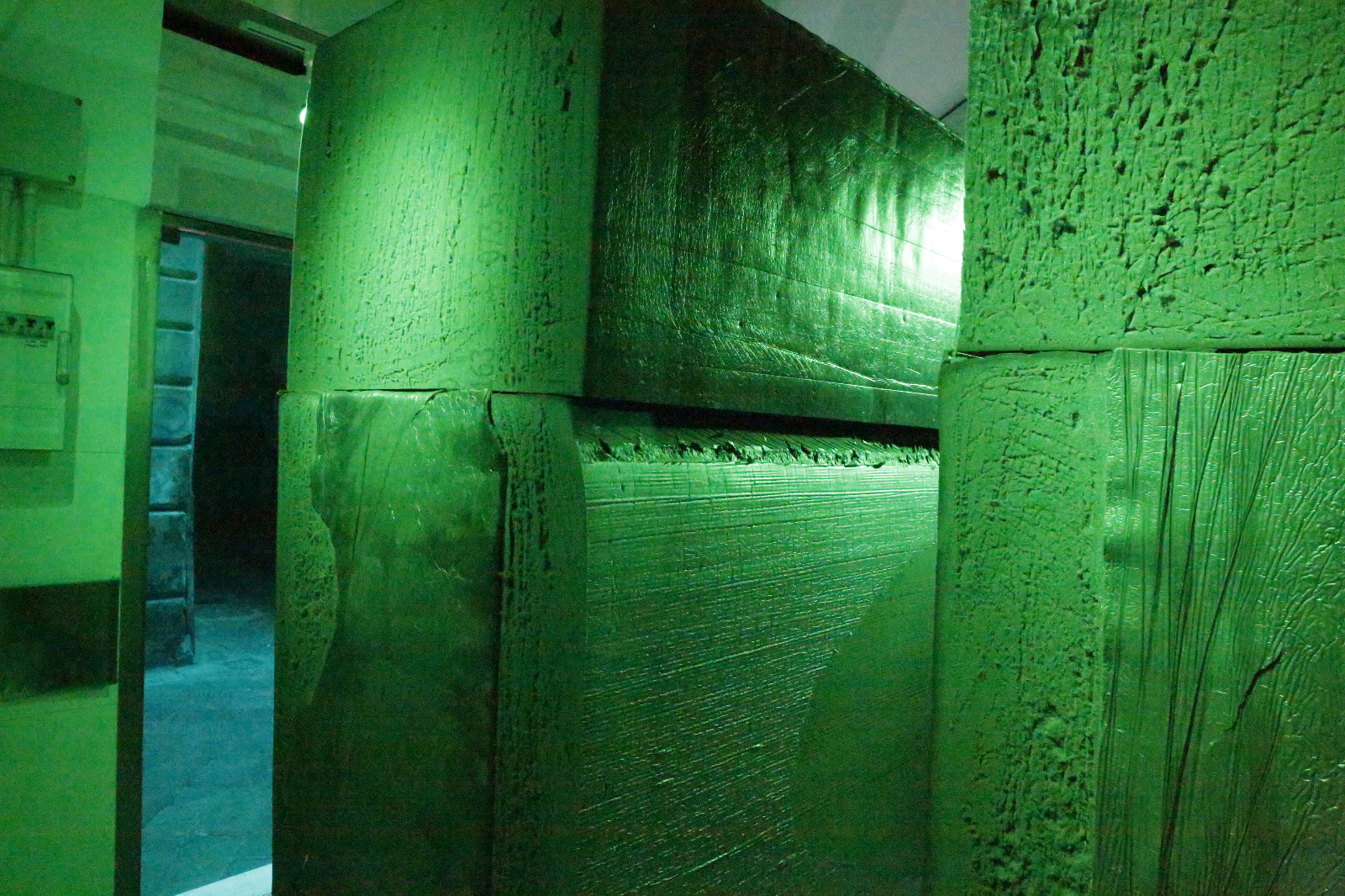
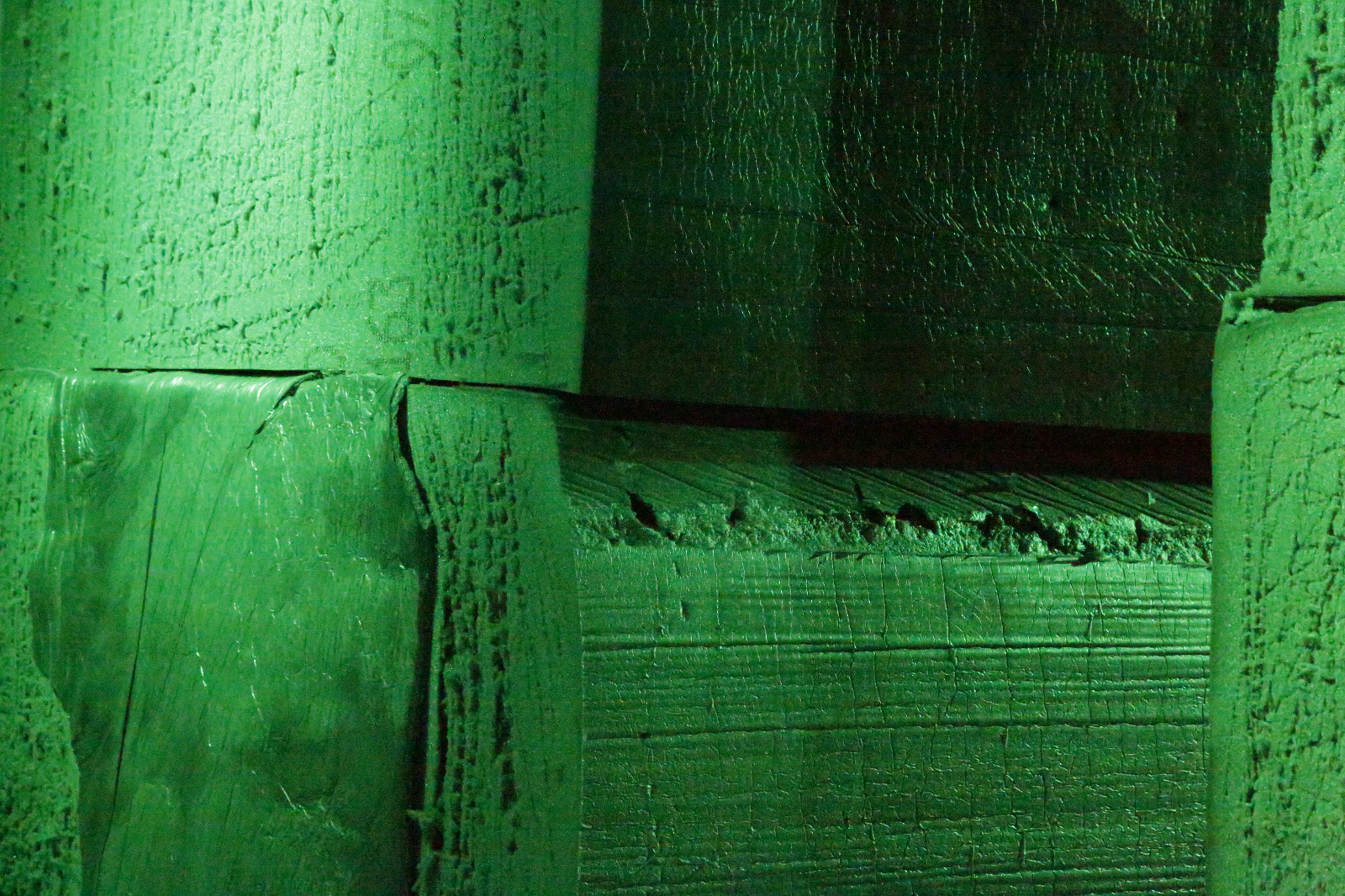
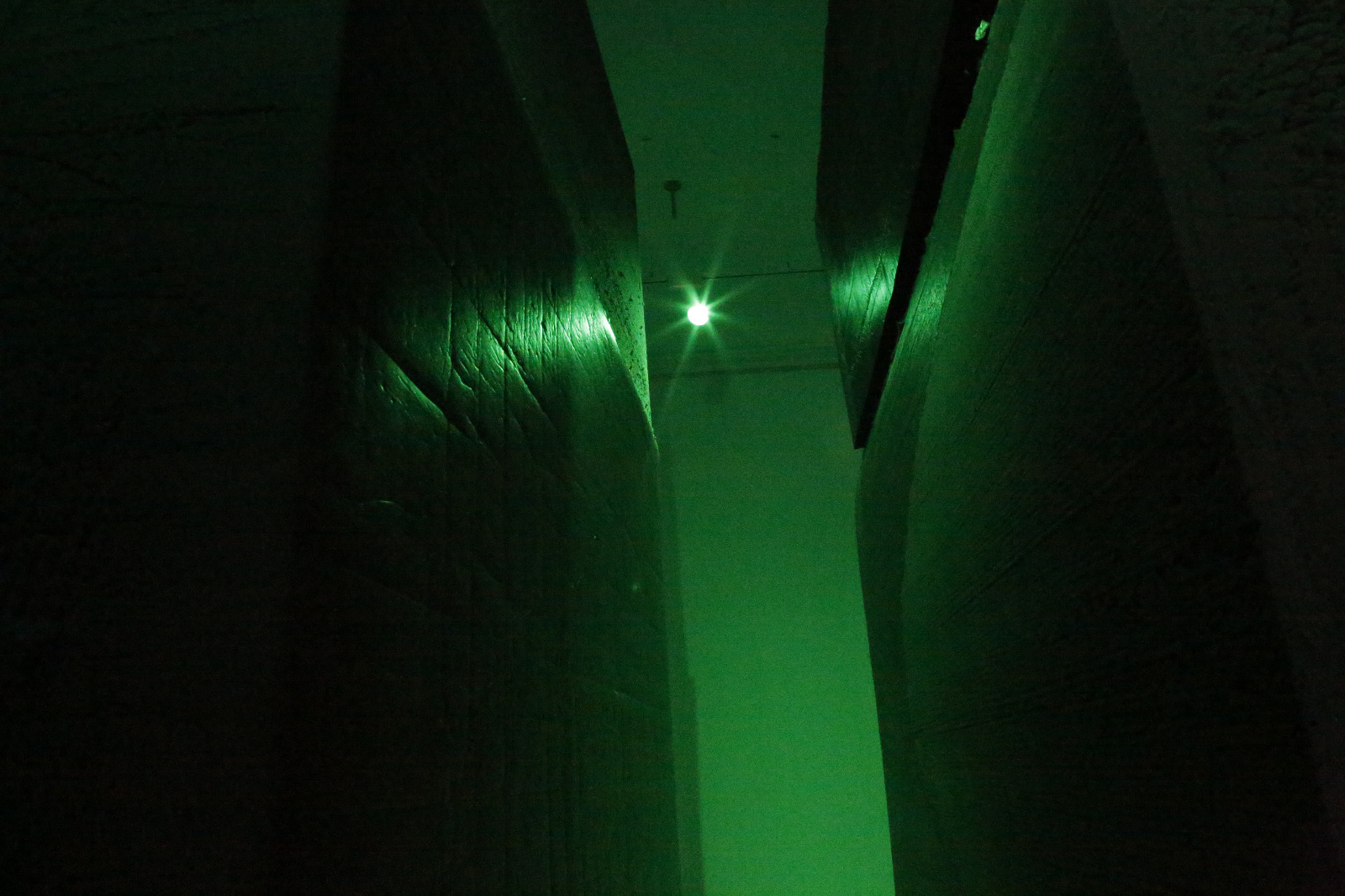
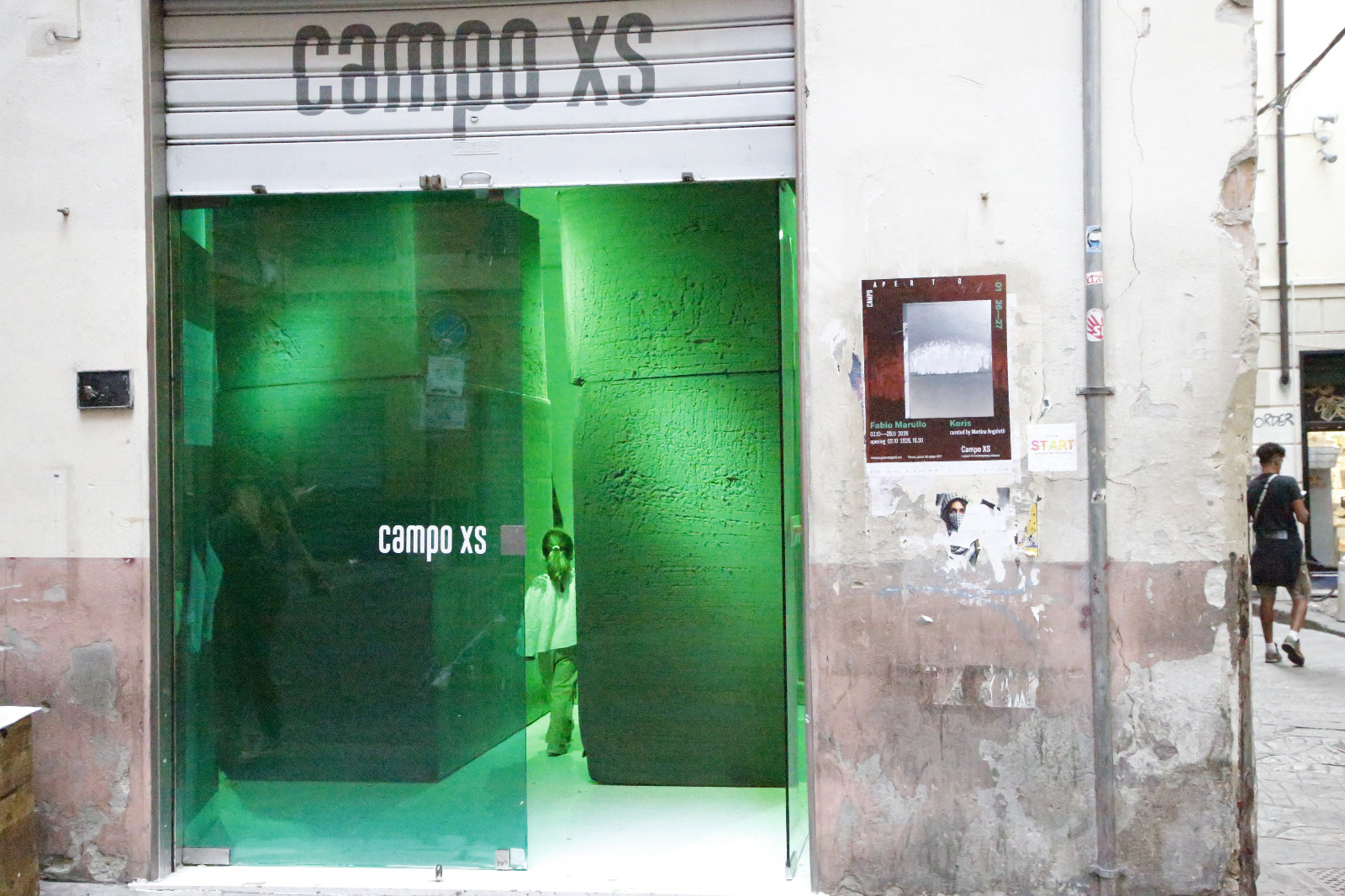
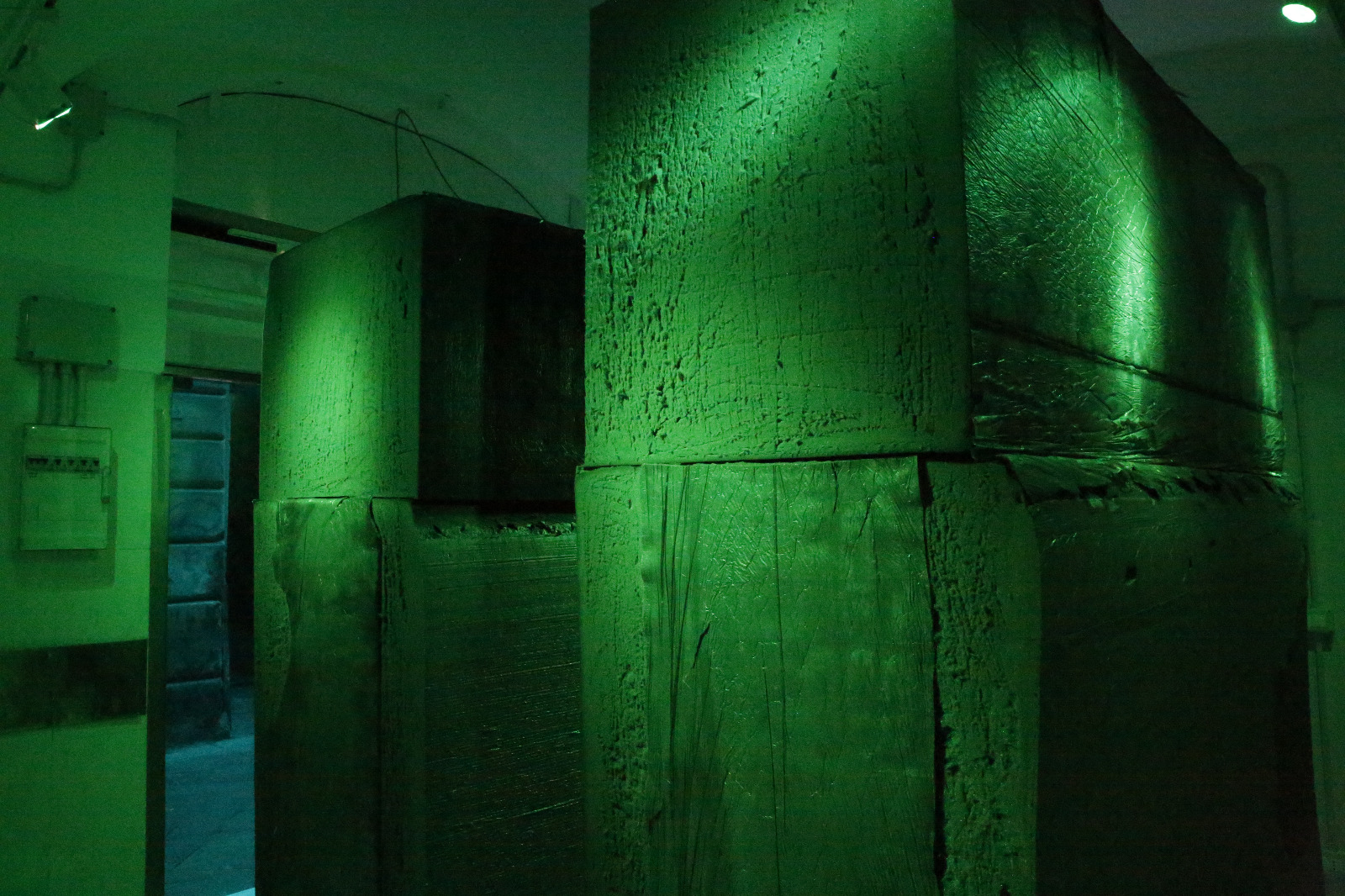
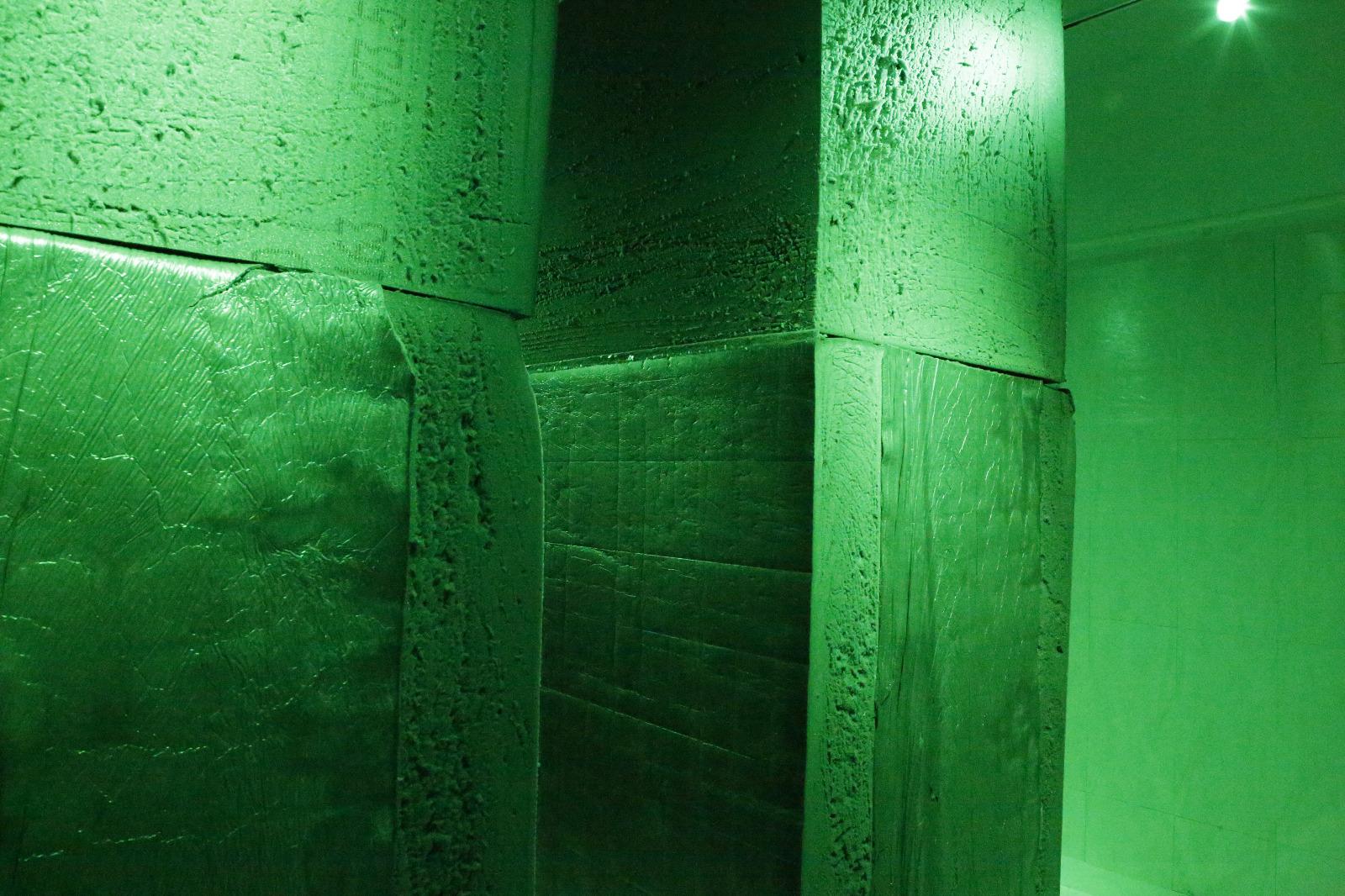
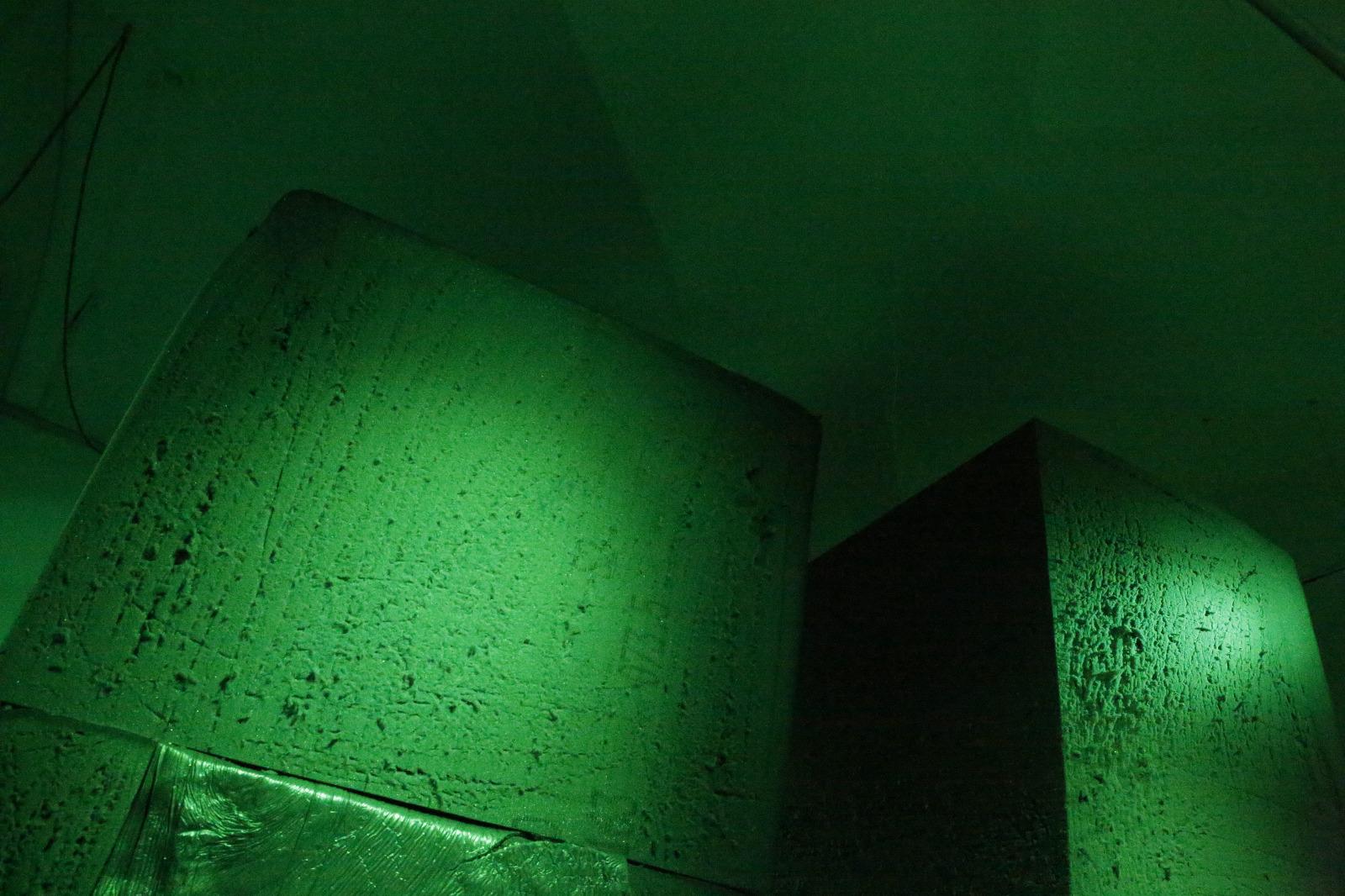
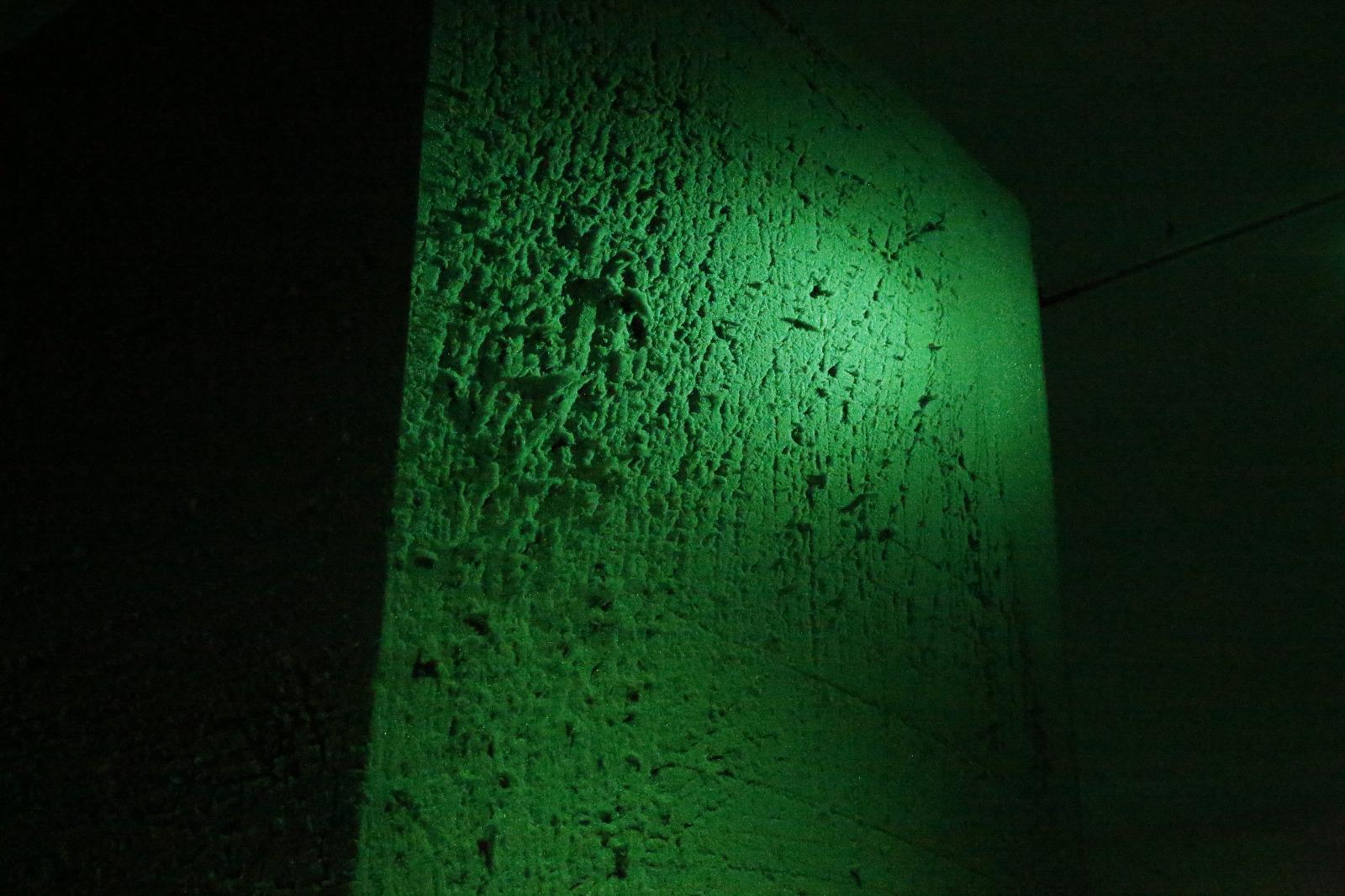
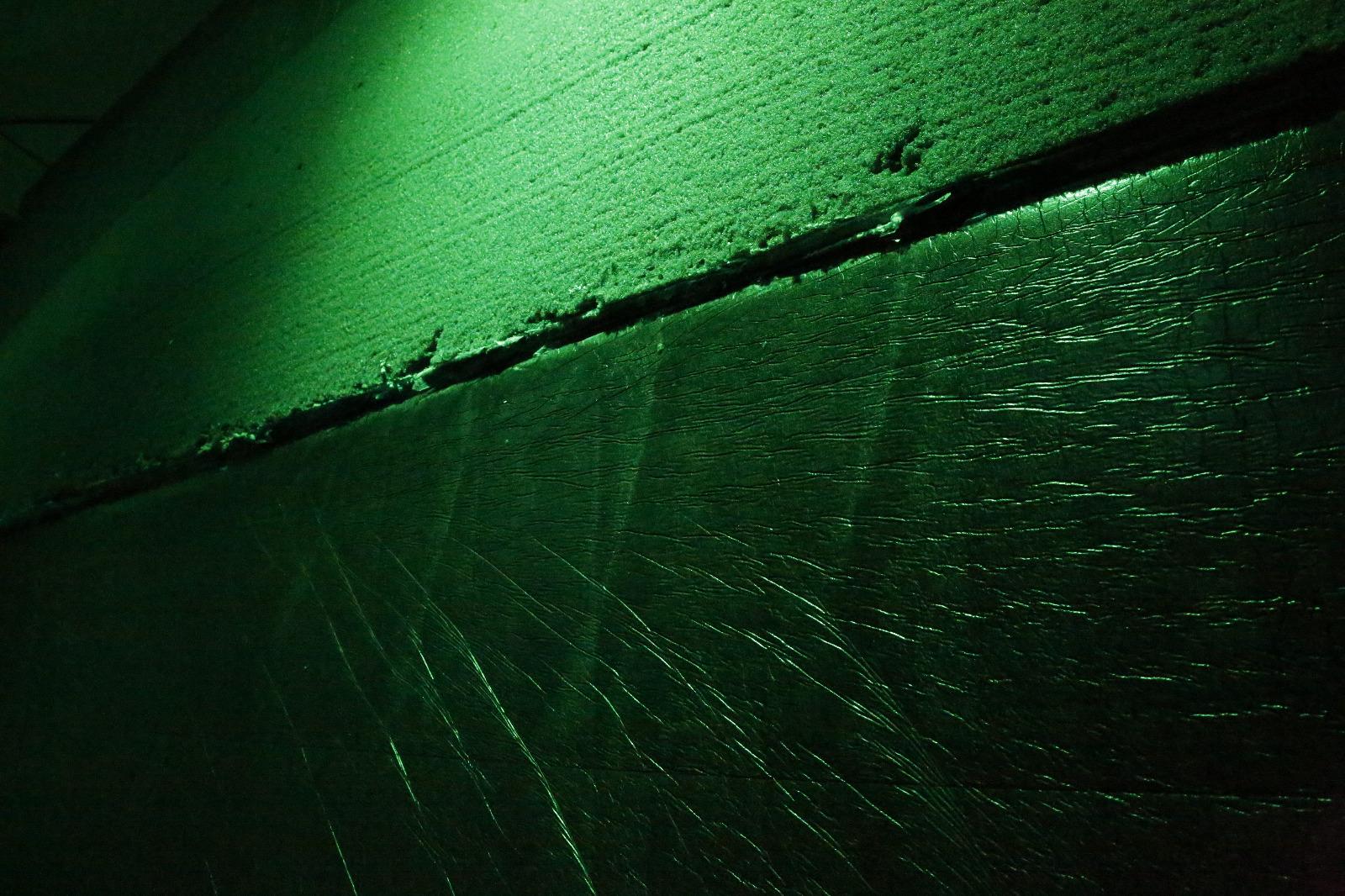
Four elements of expanded polyurethane form two opposing volumes, leaving a passage of only sixty-three centimetres between them. The space narrows and the body is forced to move in contact with the surfaces, losing the habitual distance between the one who looks and what is being looked at.
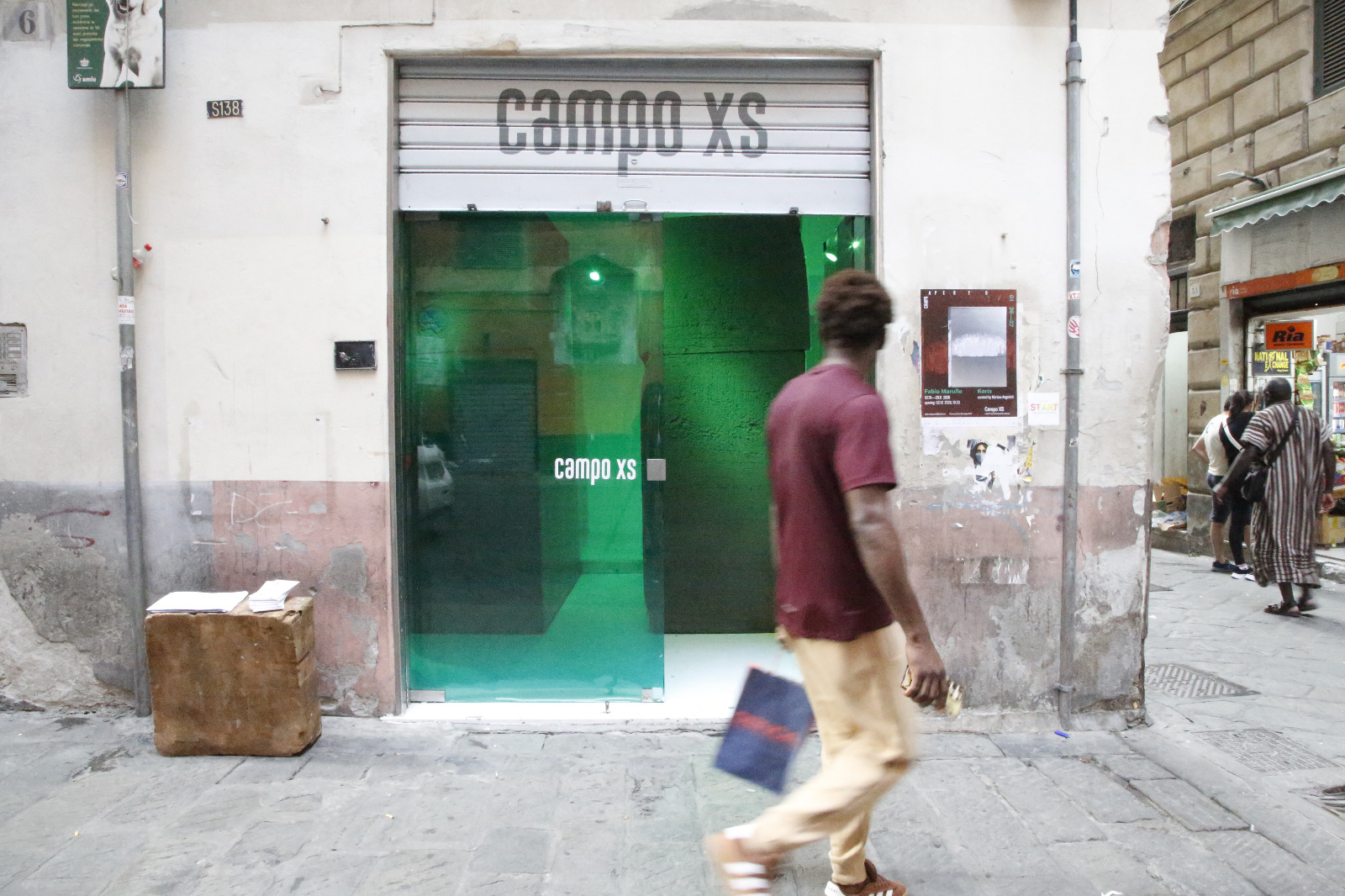
The installation Koris (from the Greek kóris, “bedbug”, from which the term koriandron, coriander, is believed to derive, referring to the smell of its leaves, similar to that of the insect) takes its cue from the form of the container, an object now deeply rooted in the collective imagination as an emblem of global logistics.
The container is an anonymous casing, yet an extremely visible one, through which goods and resources pass together with the economic, political and environmental relations that accompany their movements. In Genoa, this coloured box, measured in TEU (Twenty-foot Equivalent Unit), has profoundly transformed the profile of the city and its relationship with the sea. Were it not for the camalli, port workers who, through their physical presence, make their work visible and political, often interrupting the continuity of flows, the container might risk appearing as a neutral object, rendered opaque by the complexity of the logistics system, which tends to keep the origins of goods out of sight. Out of sight, out of mind. The container contains and standardises, but at the same time conceals. Inside it, hands, territories, materials and relationships disappear, absorbed by the movement of things.
The narrow corridor created by Koris restores part of that dimension to the body. The reduced distance forces one to slow down, to measure one’s passage, to experience an uncomfortable form of confinement. Logistics, normally perceived as an abstract system, is thus brought back to a physical and sensory dimension.
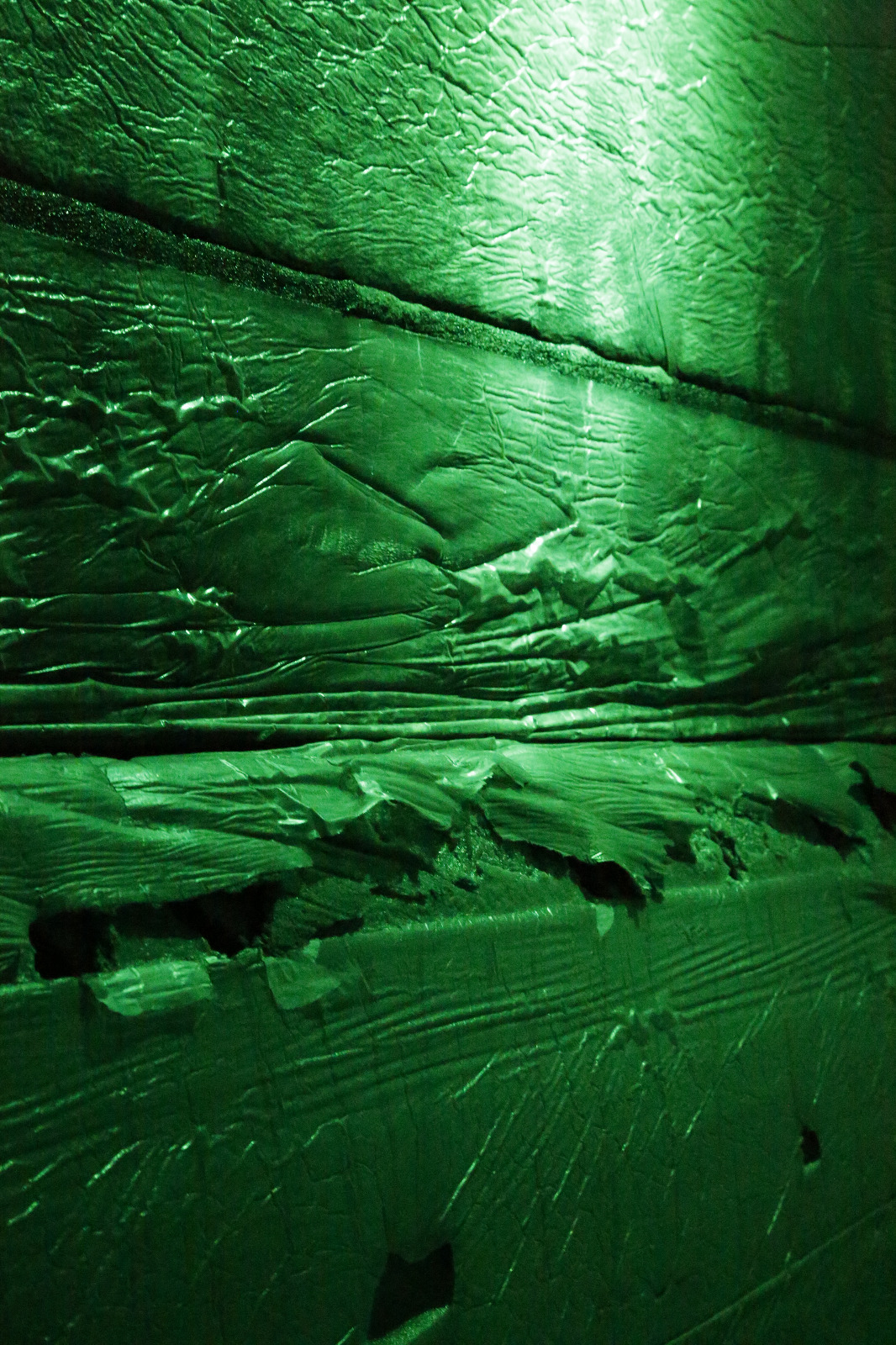
The rigidity of the container comes into contrast with the porous and pliable nature of polyurethane foam. The spongy material retains the essence of coriander leaves, which expands through the space, while the green light diffused throughout the environment evokes its presence. Coriander leaves are characterised by a pungent aroma, unpleasant to many, while the ripe fruits release sweet and citrusy notes.
If the container is designed to isolate, preserve and transport, smell instead escapes all containment: it spreads and establishes a direct relationship with the body. Passing through the fixed modules installed in the space, it carries with it a history of migrations, encounters and transformations. The ambivalence of olfactory perception introduces a subjective and cultural dimension that the logistics system instead tends to reduce to forms, measurements and values. The smell of coriander cannot be packaged or confined.
From here, a reflection inevitably emerges on the different freedom with which goods and people cross borders. Koris opens up a space in which to question this asymmetry. If global logistics has made possible an almost invisible circulation of goods, the smell of coriander interrupts this invisibility. It does not follow a commercial route, does not produce value, has no destination and cannot be measured in TEU. It spreads without asking permission, bringing bodies and spaces into relation beyond the categories imposed by the market.
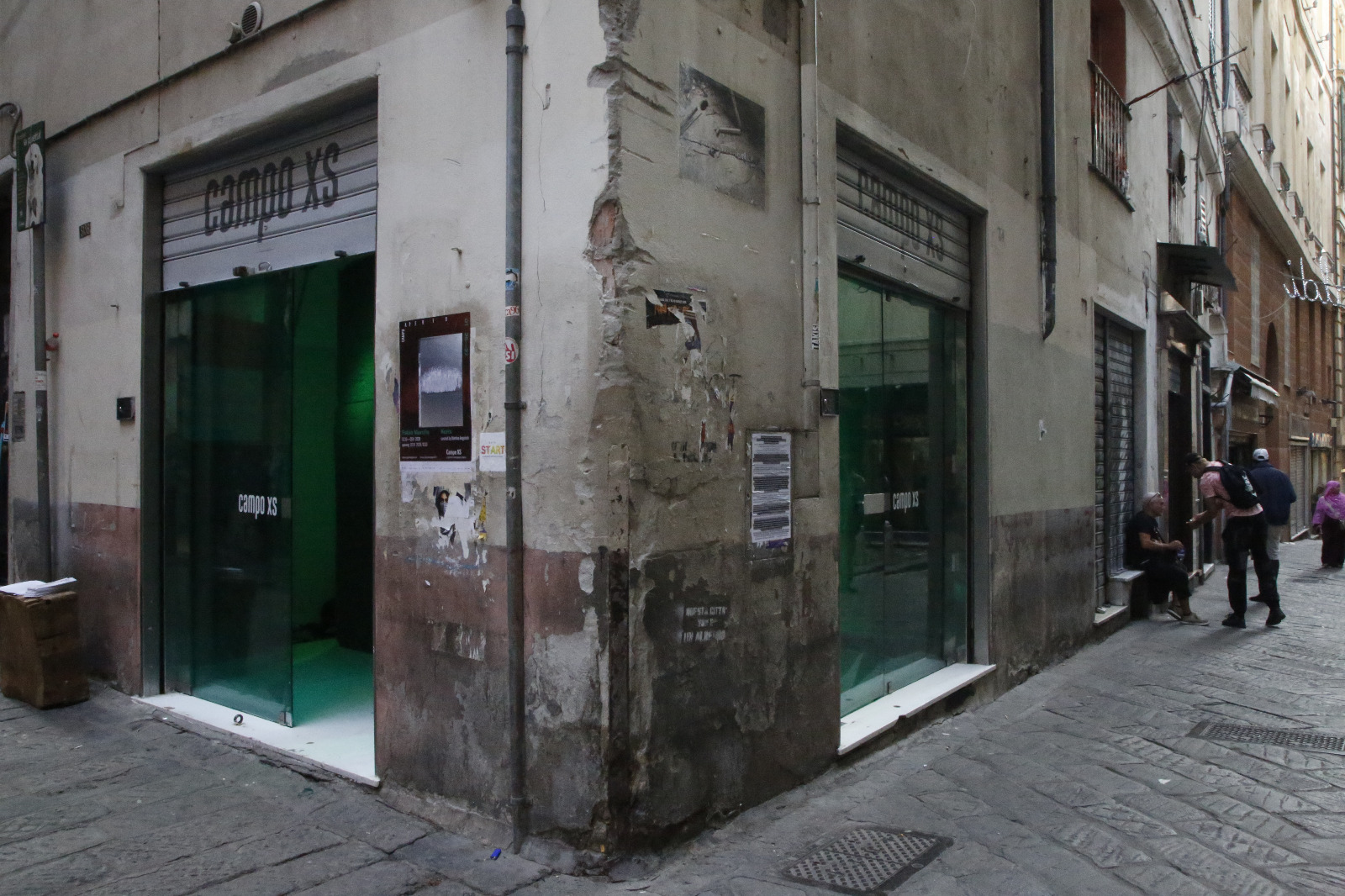
The “caruggio” (the alleyway in the historic centre of Genoa) in which Koris comes to life is a port on land, the place where cultures, passages and solitudes arriving from the sea meet and mingle.
The philosopher Saint Augustine, a figure much loved by the artist, writes in Book XIII of the Confessions: «Only what delights us nourishes the mind». From this perspective, nonstandardised movement can also be understood as a form of nourishment: the right to seek what feeds and transforms.
Koris is a work about the movement of things, but also about what that movement deposits in bodies, spaces and places.